
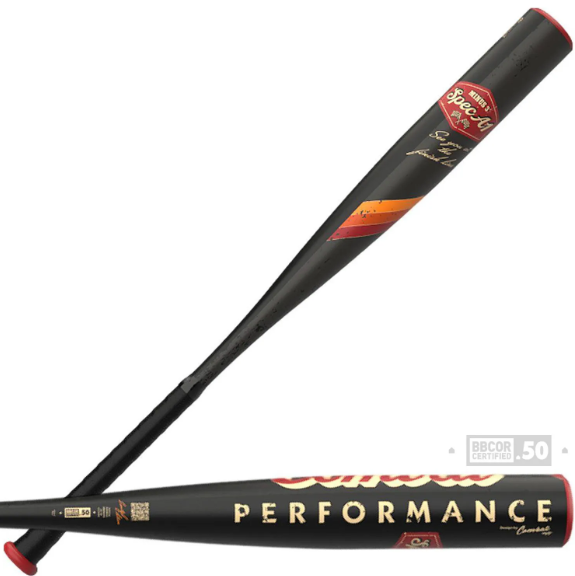
In a market flooded with new releases every season, it’s interesting to see how often players still search for combat bats. Whether it’s on baseball forums, resale marketplaces, or specialty retailers, the demand hasn’t disappeared. In fact, many hitters actively look for a quality combat baseball bat because of one simple reason — performance that left a lasting impression.
The comeback of the combat bat isn’t just about nostalgia. It’s about trust, feel, and the kind of barrel response that players remember long after they’ve moved on to other equipment.
The Nostalgia Factor
For many high school and college players, Combat bats were part of their development years. The distinctive sound off the barrel, the smooth composite feel, and the balanced swing weight created a memorable experience at the plate. When athletes find something that works early in their careers, it builds confidence. And in baseball, confidence is everything.
That emotional connection plays a huge role in why combat bats continue to trend in search results. Players who once used them often recommend them to teammates, younger athletes, and even online communities. It becomes more than a bat — it becomes part of their baseball story.
Performance That Still Holds Up
Nostalgia alone doesn’t sustain demand. The real reason players still look for a combat baseball bat is because the performance still competes with modern options. Many Combat models were known for their composite construction, expanded sweet spots, and vibration control.
Compared to traditional alloy bats, a combat bat often delivered a smoother feel on contact. Mishits felt less punishing, and well-struck balls carried with impressive pop once the barrel was broken in. Even today, players who value balance and barrel forgiveness appreciate what these bats offer.
Balanced swing weight is another reason they remain relevant. While many newer bats focus heavily on end-loaded power, combat bats often catered to hitters who prioritized bat speed and control. For contact hitters and gap-to-gap players, that design remains highly attractive.
The Resale and Collector Market
One of the clearest signs of the comeback is resale demand. Players actively search online marketplaces and specialty retailers for well-maintained combat bats. Some models are even treated as collector’s items, especially those known for exceptional performance.
Scarcity also plays a role. Since new production is limited compared to major brands dominating the market, existing inventory becomes more valuable. This supply-and-demand dynamic keeps interest alive and fuels conversations in baseball communities.
Retailers like Protech Dugout often see continued interest in older, performance-proven bats because serious players aren’t just chasing the newest release — they’re chasing results. When a bat has a reputation for delivering consistent performance, word spreads quickly in tight-knit baseball circles.
Community Buzz and Online Discussions
Spend time in baseball forums or Reddit-style discussions, and you’ll regularly see threads asking about the best combat baseball bat models. Players share reviews, break-in tips, and personal experiences. This kind of organic community engagement keeps the brand relevant even years after its peak.
Unlike heavily marketed modern bats, combat bats built much of their reputation through word of mouth. That grassroots credibility still carries weight today.
Why Players Still Search
At its core, the comeback of combat bats comes down to three things: nostalgia, proven performance, and resale value. Players remember how the bat felt. They trust the results it produced. And when they find one in good condition, they know it can still compete.
In a game where confidence, comfort, and consistency matter more than hype, it’s no surprise that athletes continue searching for a reliable combat bat. Trends change, but performance memories stick — and that’s why combat bats still have a place in today’s baseball conversations.


Write a comment ...